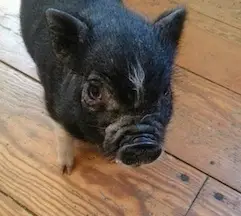

Mini pigs aren’t like dogs in the sense that they will be up for a play date or quick meeting with another mini pig. They need time to build the relationship and form their hierarchy. If not done carefully, introducing mini pigs to each other can be one of the most stressful processes involving your mini pigs. Safely introduce mini pigs to each other by understanding their social behavior and taking a gradual approach.
Understanding their social behavior
Introducing mini pigs to each other can be a rewarding process when done carefully. It can also be one of the most stressful processes involving your mini pigs. Mini pigs aren’t like dogs in the sense that they will be up for a play date or quick meeting with another mini pig. They need time to build the relationship and form their hierarchy. Understanding their social behavior and taking a gradual approach ensures harmony and reduces stress for all animals involved (and you!).
Occasionally, some mini pigs just won’t ever get along and share a living area, and that’s ok too. You don’t like every person you meet either!
Preparing for the introduction
- Be sure that all mini pigs are healthy, vaccinated, and free from parasites before meeting.
- Unspayed or un-neutered mini pigs are prone to be more aggressive. The best practice is to have all mini pigs spayed or neutered before introductions.
- Choose a space neutral to both mini pigs to prevent territorial aggression. If they already see a space as “theirs,” fighting is likely to occur.
- Do not introduce mini pigs in extreme temperatures or inclement weather. Heat can be especially dangerous as they will be more stressed and will be exerting themselves more than usual, causing them to overheat quickly.
Making the introduction
Start with sight and smell
- Set up adjacent pens using a sturdy fence where they can observe and smell each other without physical contact safely for several days. This helps them become familiar with each other’s scent and presence without physical confrontation.This step should continue for at least 1 to 2 weeks.
- Let them interact this way until the chomping and mirroring behavior stops. You want them to be at the point of being able to ignore each other.
- Always monitor early interactions closely to ensure safety.
Add controlled contact
- After the week or so of visual and scent introduction, and aggression at the fence line ebbs, allow short, supervised sessions in a neutral area.
- Putting vaseline on everyone’s ears, tails, and rumps can be helpful, as it can avoid either pig getting a solid grip and can help keep injuries to a minimum.
- Expect some squealing, nudging, or minor pushing as they establish hierarchy.
- Some fighting is normal, as stressful as it is to see and hear.
- If there are constant attacks on ears or face, if one pig is panting and seems exhausted, or if there are deep gashes to any pig, it is time to separate and end the introduction. It has failed and become too dangerous for all involved.
- Give them several days for injuries to heal and tensions to calm before attempting again
ALWAYS HAVE A PLAN TO SEPARATE BEFORE BEGINNING AN INTRODUCTION.
- A sorting board is your best tool to break up an introduction that is going poorly. Never use your hands or your body to separate fighting mini pigs, you will be injured.
Gradually increase time together
- If the initial physical interaction went well, then you can extend the duration of their daily interactions.
- Provide distractions such as food, toys, or rooting materials to reduce tension and encourage positive associations.
Full integration
- Once your mini pigs show calm behavior—eating, resting, or exploring together—they can share the same pen.
- Continue monitoring for a few days to ensure stability in their relationship.
Tips to safely introduce mini pigs to each other
- Avoid overcrowding: Provide ample space for mini pigs to move away from each other if needed.
- Feed separately at first: Prevent food-related aggression by offering meals in different areas.
- Observe body language: Signs of relaxed tails, gentle grunts, and shared resting indicate acceptance.
- Be patient: Some mini pigs take longer to adjust than others, especially older or previously isolated animals.